Log in to join the conversation.
Robo Rally Karten (Ersatz oder Outdoor Nutzung)
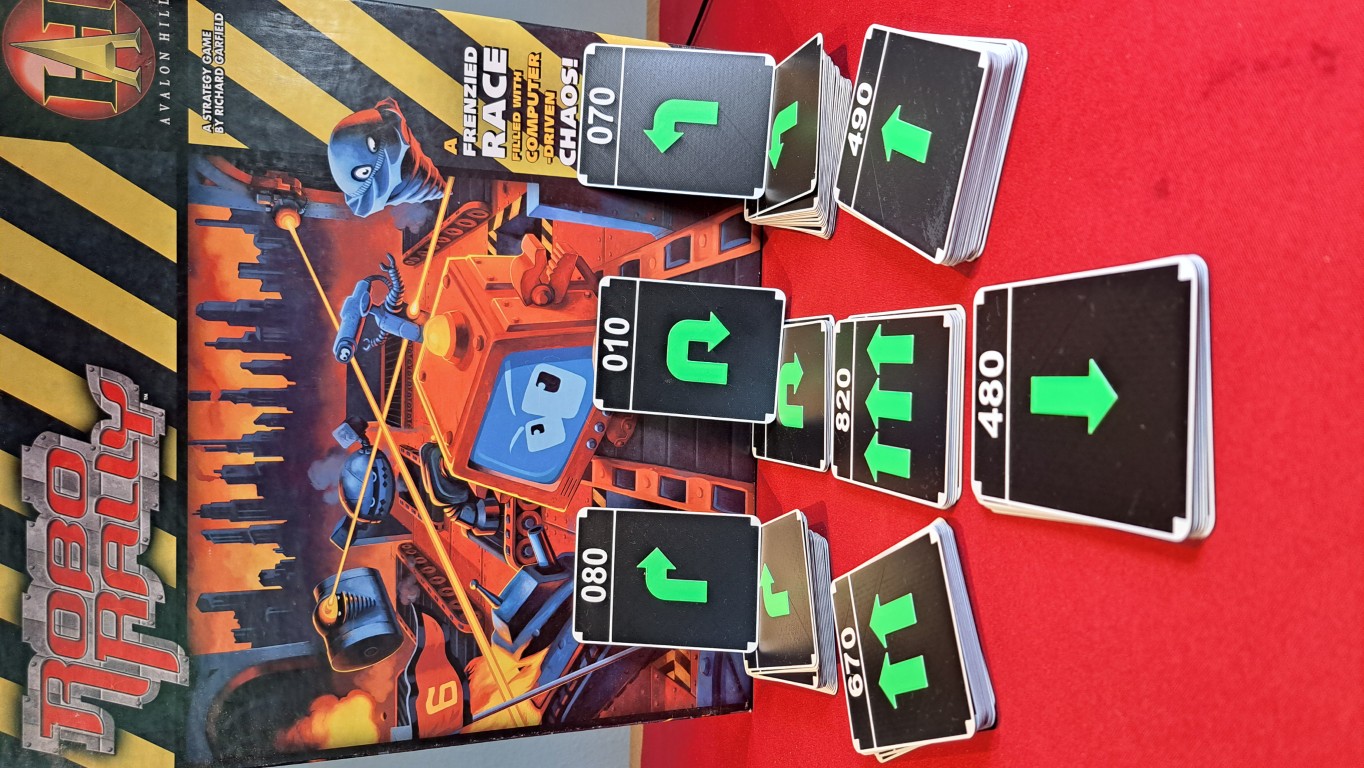
Plate Details (14)
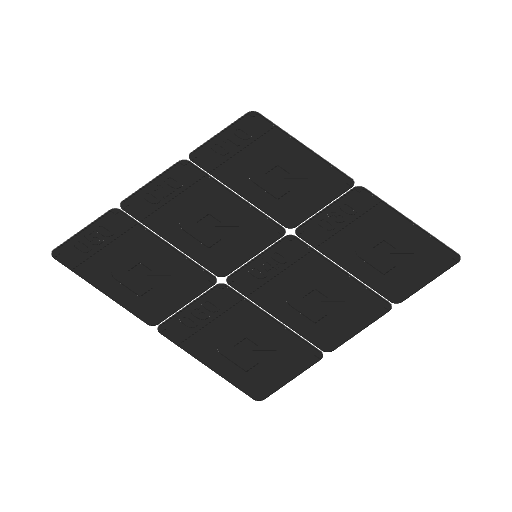
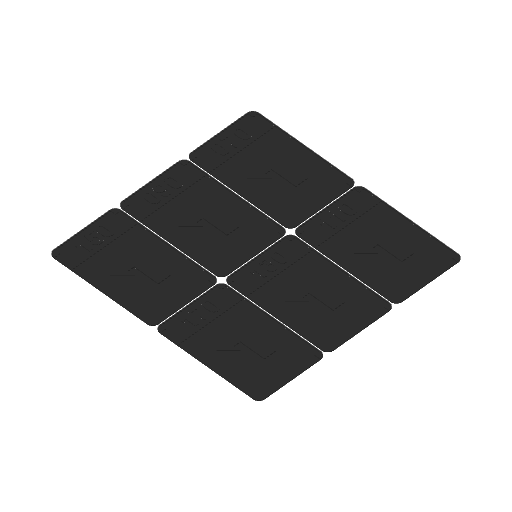
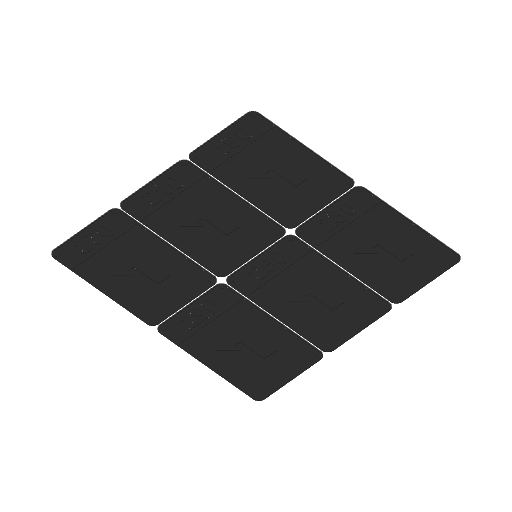
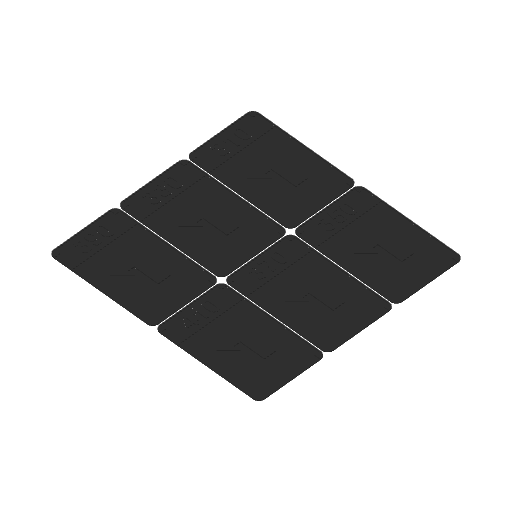
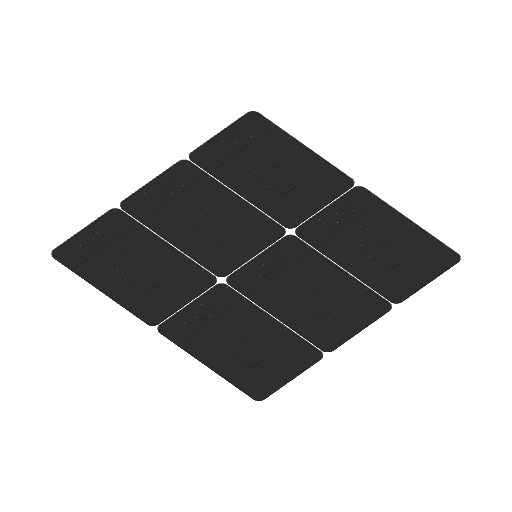
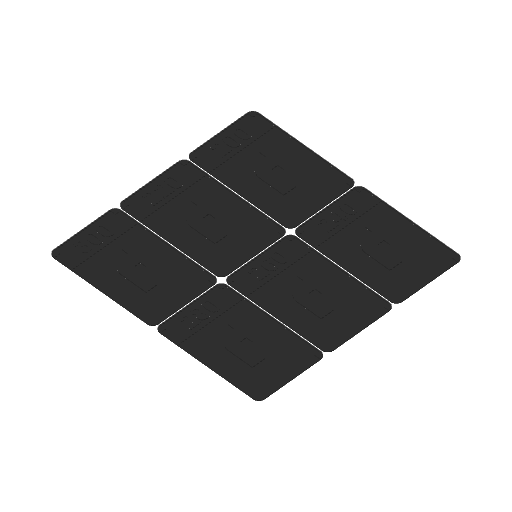
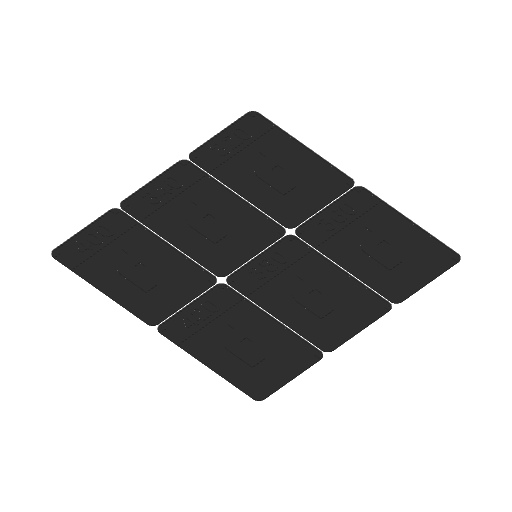
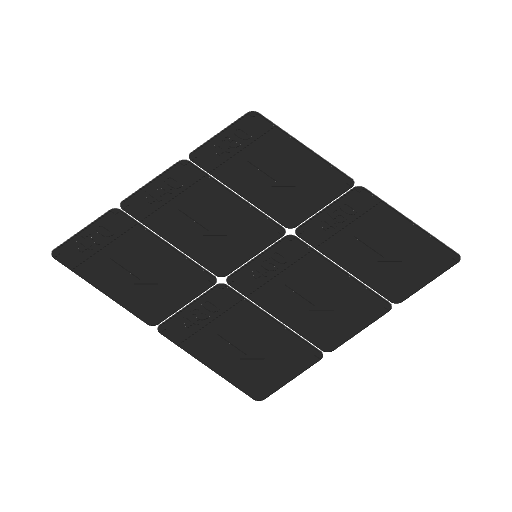
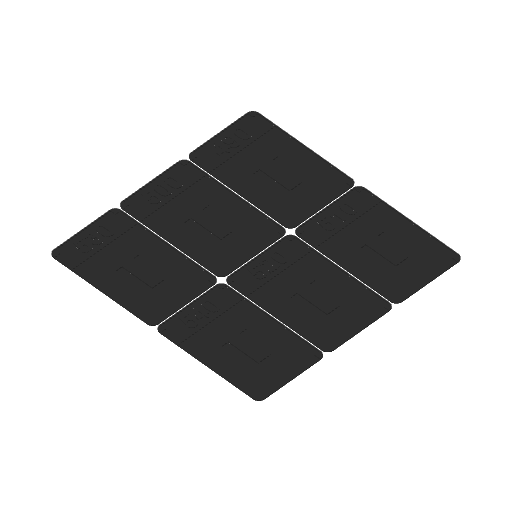
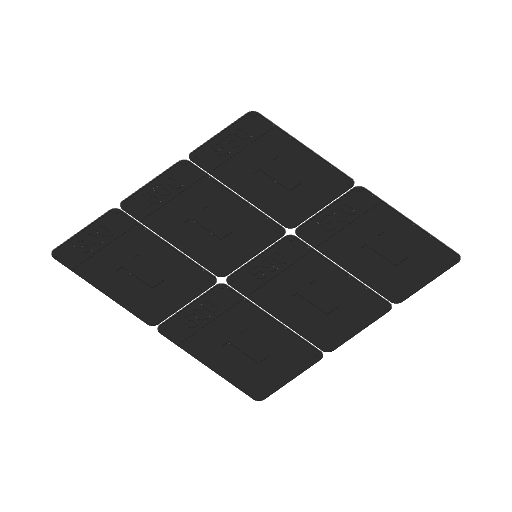
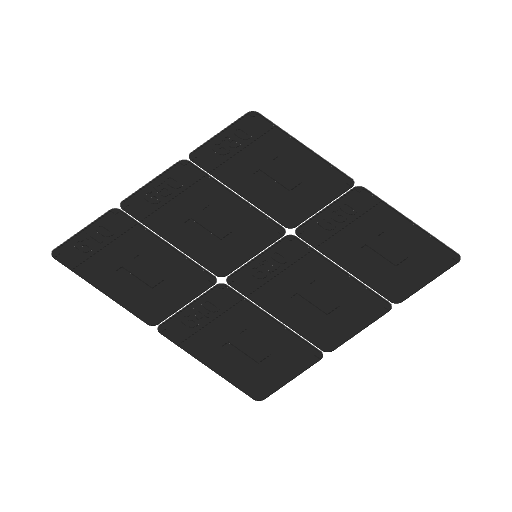
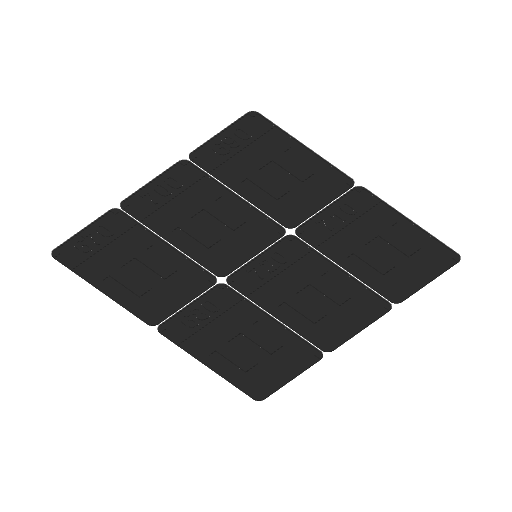
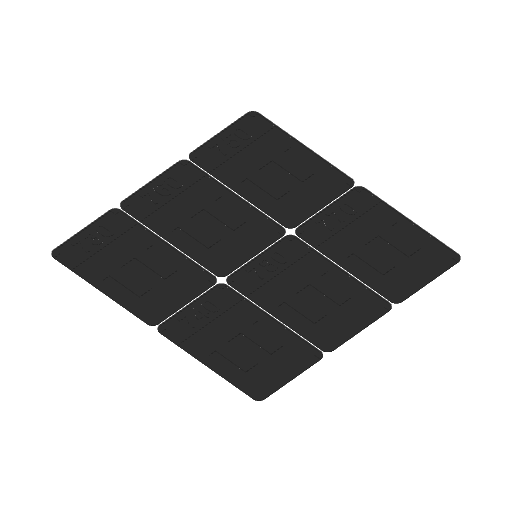
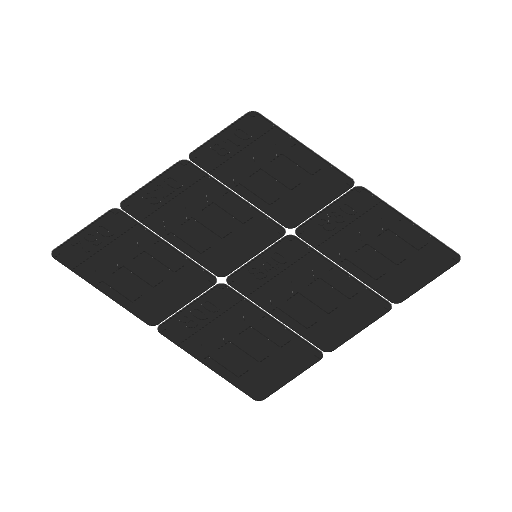
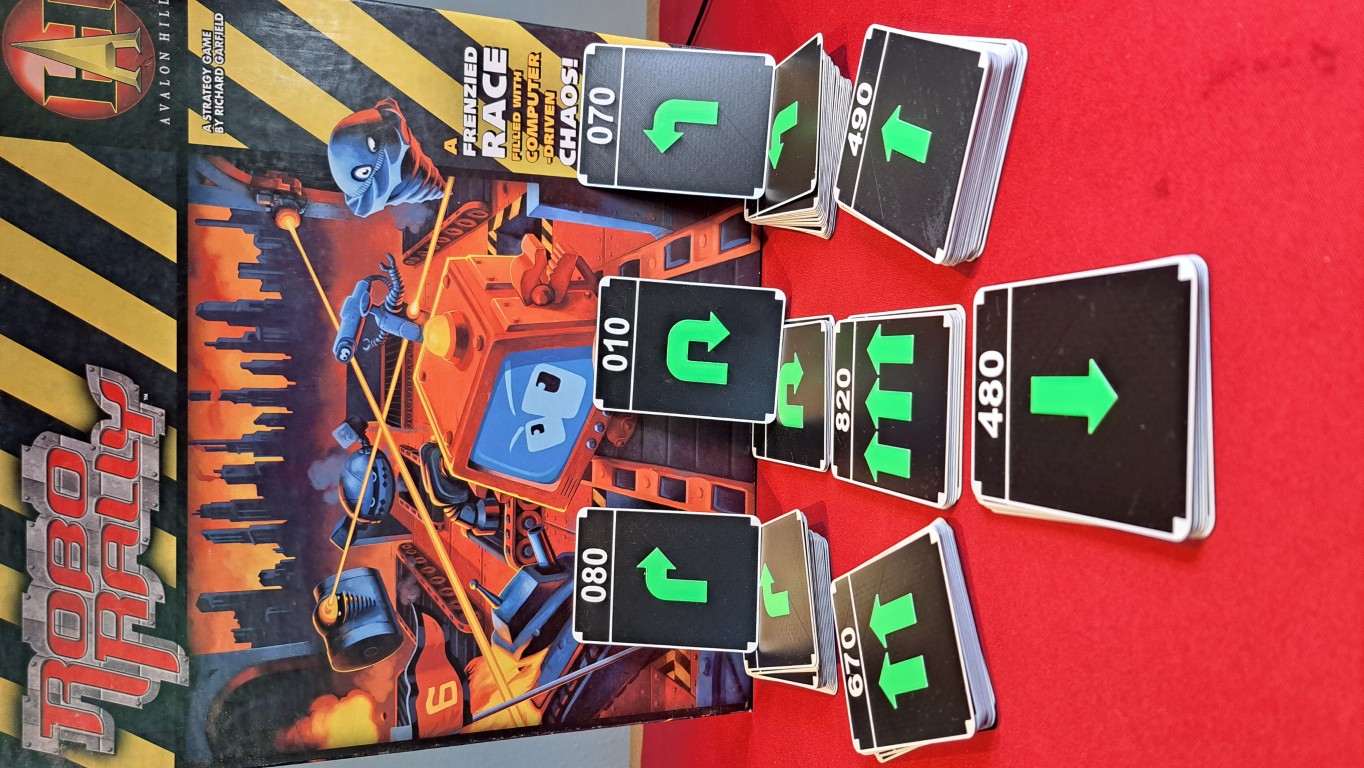
Plate Details (14)
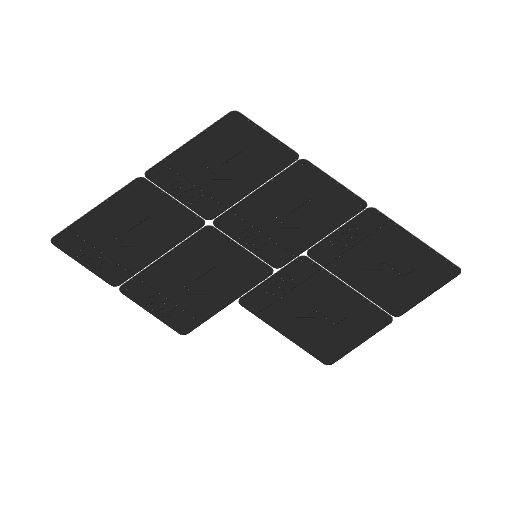
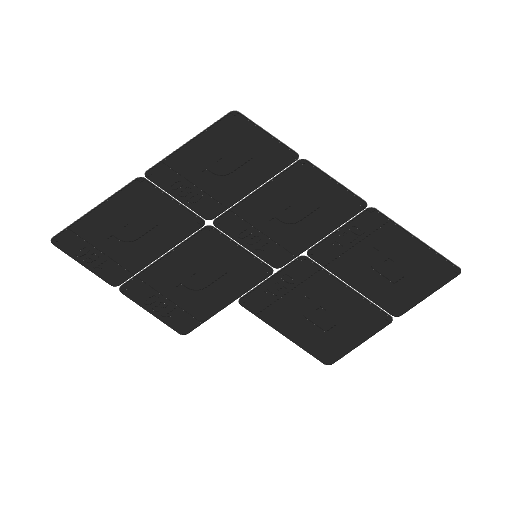
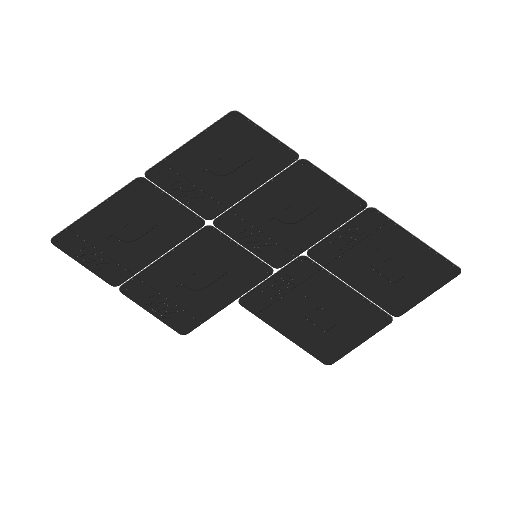
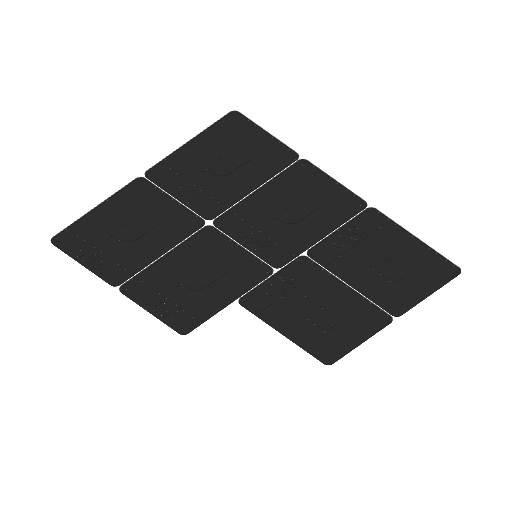
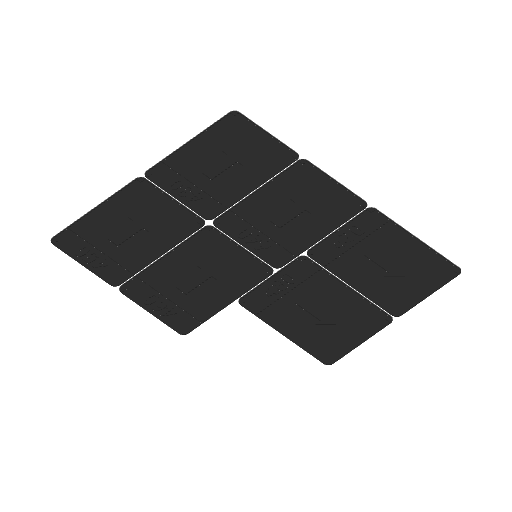
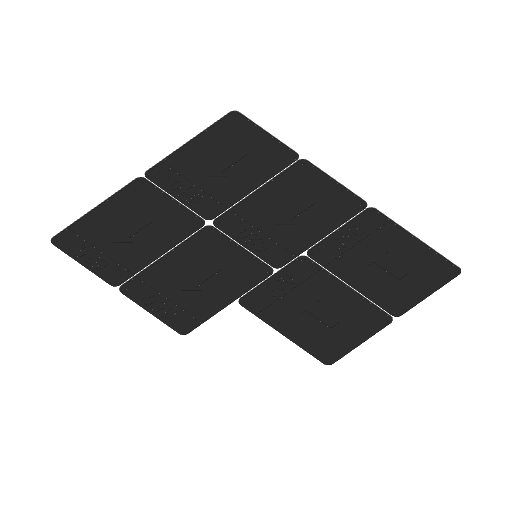
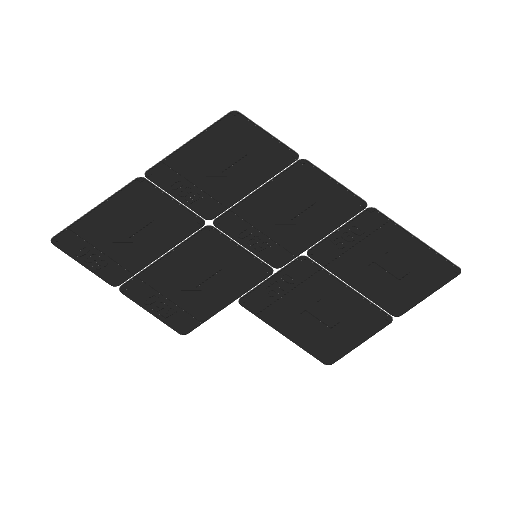
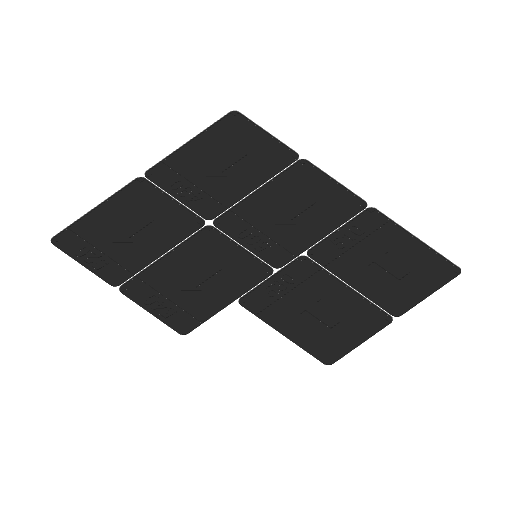
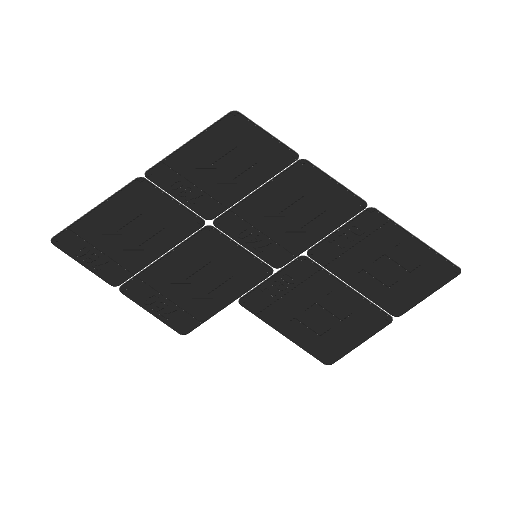
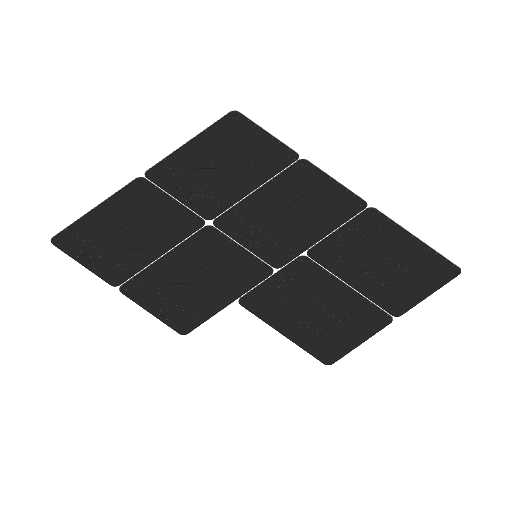
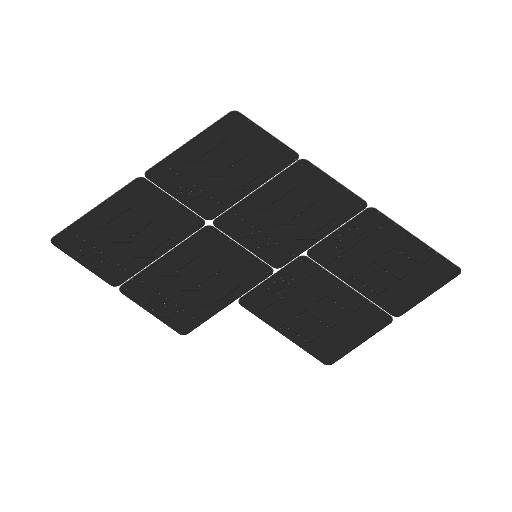
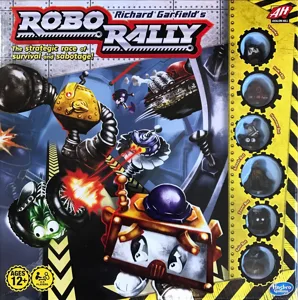
Robo Rally by Richard Garfield - the inventor of Magic: The Gathering ( Wiki article ) is one of the most ingenious games I know. We like to play it as a board game at home, but almost prefer to play it outside - Robo Rally Live, so to speak. Unfortunately, the original cards are not too weather-resistant, so I printed some years ago and put them in sleeves ...
For the more robust version, the 3D printer was now allowed to be used:
- Material: PETG recommended... for outdoor use
- My print settings:
- Layer height 0.12 mm
- Filling 100%
- Filling pattern: Straight
- Colors:
- Start with black (light colors may be too transparent)
- from layer 3 white (for the frame and the number)
- From layer 5 green (for the arrows, but of course can be any other beautiful color)
- There are only cards of one type on a plate, so you can easily print different colors for different types of movement
- Other adjustments to the basic profile (0.12 fine) of a Bambulab printer should not be necessary.
- Please make sure that the printing plate is really clean!!
There are two sets once
Card dimensions: 57mm x 56mm x 0.72mm - this corresponds to the card size of current playsets
Card dimensions: 91mm x 66mm x 0.72mm - the larger cards for outdoor use
The larger cards and are roughly the size of a card sleeve for, for example, Magic cards.
If you want to scale the cards, be careful not to change the height, otherwise the color layers will no longer fit.
The card numbering corresponds to the numbering of the original cards.
Here's a quick guide to our Robo Rally Live setup:
- First we draw a game board with chalks on the floor.
- Then a beer bench set for the programmers is placed next to it
- Then teams of 2 are formed - a programmer and a robot
- The programmer controls the robot from the sidelines
- If a robot breaks, it and its programmer change places
- If a robot breaks a second time, the team is eliminated
That's what the AI thinks it looks like ....
And this is what it often looks like in real life ...
Here is a board with players ... in the barrier-free version.
A chessboard provides a rough shape here ... that makes painting easier...
I would be happy about photos of game rounds in the comments.
Translated from German - show original
Robo Rally von Richard Garfield - dem Erfinder von Magic: The Gathering ( Wikiartikel ) ist eines der genialsten Spiele die ich kenne. Wir spielen es gerne als Brettspiel zuhause, aber fast noch lieber draußen - sozusagen Robo Rally Live. Die Originalkarten sind leider nicht allzu witterungsbeständig, daher hatte ich mir vor Jahren welche gedruckt und diese in Hüllen gesteckt …
Für die robustere Variante durfte jetzt der 3D Drucker ran:
- Material: PETG empfohlen … für Outdoorgebrauch
- Meine Druckeinstellungen:
- Schichthöhe 0,12 mm
- Füllung 100%
- Füllmuster Geradlinig
- Farben:
- Start mit Schwarz (helle Farben sind eventuell zu durchsichtig)
- ab Schicht 3 Weiss (für den Rahmen und die Zahl)
- Ab Schicht 5 Grün (für die Pfeile, kann aber natürlich jede andere schöne Farbe sein)
- Auf einer Platte sind immer nur Karten einer Art, ihr könnt also auch einfach für verschiedene Bewegungsarten unterschiedliche Farben drucken
- Sonstige Anpassungen am Grundprofil (0.12 Fine) eines Bambulab Druckers sollten nicht notwendig sein.
- Achtet bitte darauf, dass die Druckplatte wirklich sauber ist!!!
Es gibt zwei Sets einmal
Kartenmaße: 57mm x 56mm x 0.72mm - dies entspricht der Kartengröße aktueller Spielsets
Kartenmaße: 91mm x 66mm x 0.72mm - die größeren Karten für den Outdoorgebrauch
Die größeren Karten und entsprechen ungefähr der Größe einer Kartenhülle für, zum Beispiel, Magic Karten.
Falls ihr die Karten skalieren wollt, achtet unbedingt darauf die Höhe nicht zu verändern, da sonst die Farbschichten nicht mehr passen werden.
Die Kartennummerierung entspricht der Nummerierung der Originalkarten.
Hier eine kurze Anleitung für unser Robo Rally Live Setup:
- Erstmal malen wir ein Spielbrett mit Kreiden auf dem Boden auf.
- Dann wird eine Bierbankgarnitur für die Programmierer daneben gestellt
- Dann werden 2er-Teams gebildet - ein Programmierer und ein Roboter
- Der Programmierer steuert den Roboter vom Spielfeldrand aus
- Geht ein Roboter kaputt, wechseln er und sein Programmierer den Platz
- Geht ein Roboter ein zweites mal kaputt, scheidet das Team aus
So denkt sich die KI sieht das aus ….
Und so sieht es dann oft in echt aus …
Hier ein Brett mit Spielern … in der barrierefreien Variante.
Ein Schachbrett liefert hier schonmal grobe Form … das macht das Malen einfacher …
Über Fotos von Spielrunden in den Kommentaren würde ich mich freuen.