Log in to join the conversation.
Board game TEN for 2 players
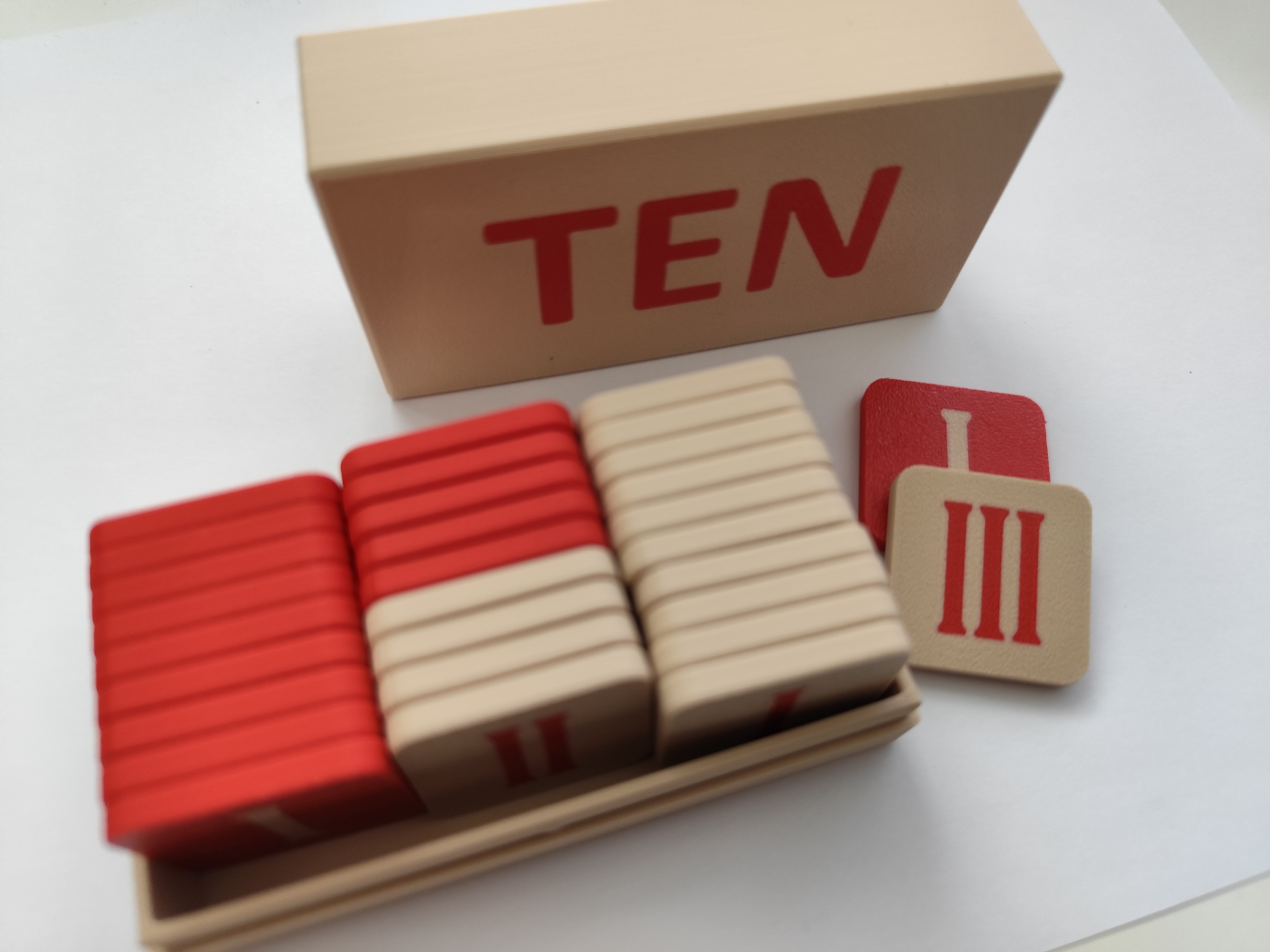
Plate Details (3)

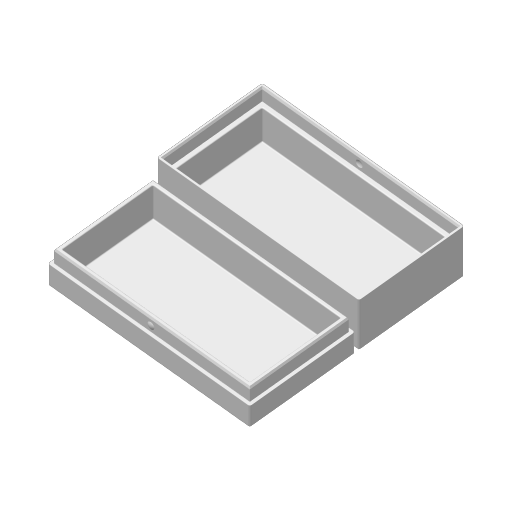

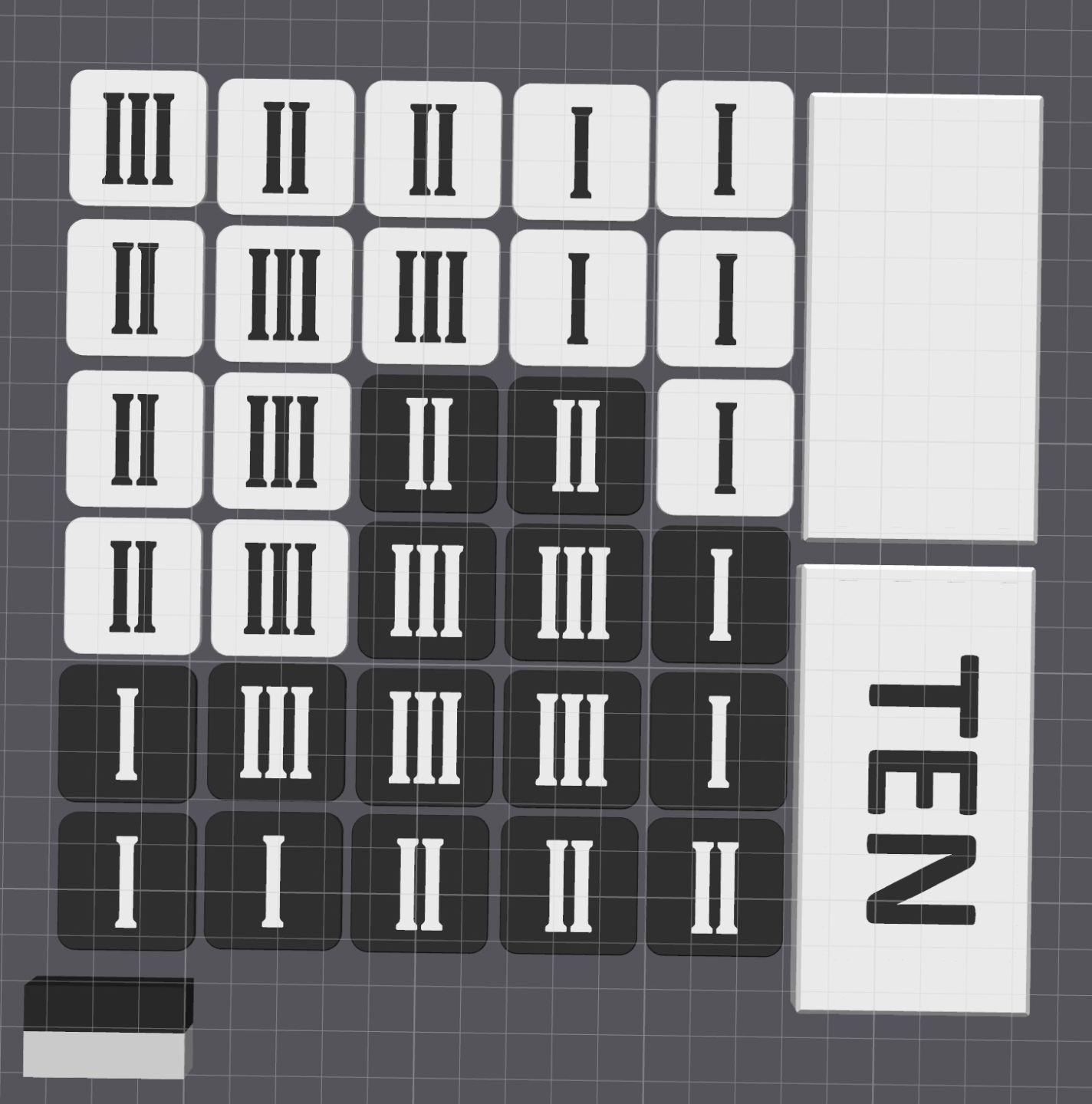
Plate Details (1)
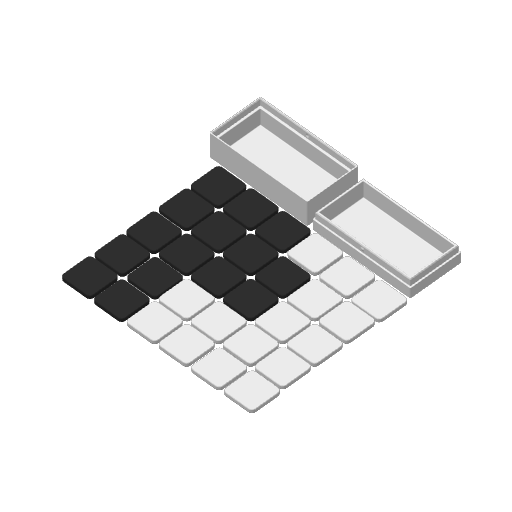
A connection game for 2 players aged 8 years.
The aim of the game is for each player to make a connecting row by placing his/her personal tiles to add up to a total score of 10.
Preparation
Each player chooses a colour and takes 15 tiles. The tiles are flipped over (the markings should face downwards) and well shuffled. He then keeps his stack of tiles ready for play alongside the game field. The first player is nominated.
How to play
The first player takes a tile from his stack, flips it over and places it in the middle of the game field. The players now take alternate turns to remove one new tile from their stacks, so expanding the playing field. At least one side of a newly placed tile must always make contact with a tile already in position. Placing tiles so they only make contact diagonally corner to corner is not allowed.
End of Game
The winner is the first player to place a continuous straight series of personal tiles scoring a total of exactly 10. The row of tiles can be arranged horizontally, vertically or diagonally. Same colour rows that score a higher value than 10 do not win.