Log in to join the conversation.
Rummikub with Tile Rack and Carrying Case
Plate Details (3)

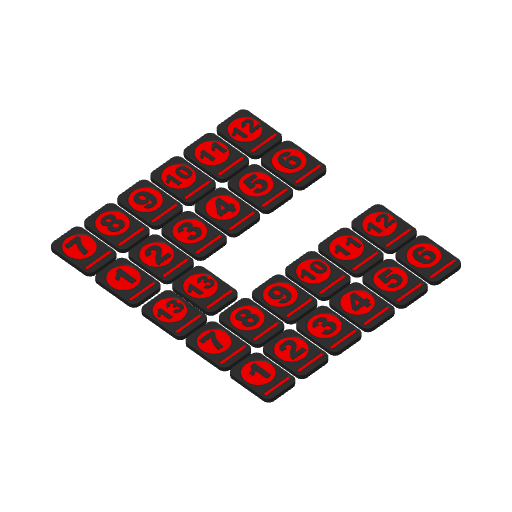
My own take on the popular Rummikub game. Tiles are designed to improve color differentiation and ease of read. Tile racks combine with base and lid pieces to create a carrying case. It is simple but it works.
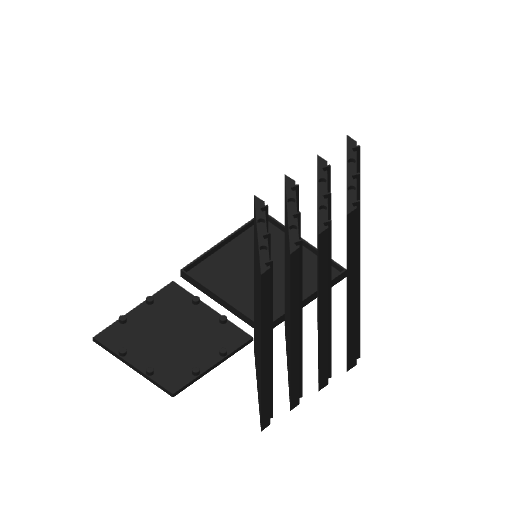
Plate one contains the two wild cards. I have decided to have the two different in design as opposed to color to make the purpose of being wild clearer to new players. Plate two contains the regular tiles without the wild cards. Print 3 copies and change the color. Plate 3 are racks and case components.
To convert to carry case mode, simply slot the racks onto the base plate pegs with the bottom of the rack pointed out. Dump the tiles in to the box and close the lid.
Future iterations of the design will likely be focused on improvements to the carrying case mode: thicker base to make the racks come off easier; built-in storage racks to the base to prevent tiles from jiggling as much and spill over upon removing a side wall; and making the case more secure.
/pic2315912.jpg)