Desperately Seeking Quigley 1994
Location
Sign in to see where your copy sits: the shelf, drawn, and how the box sits on it.
My Copy & Notes
My Prints for Desperately Seeking Quigley
All 0 on LayerUpSign in to see the prints you marked Printed for this game, the insert in the box first.
Expansions & Promos
No expansions or promos on record for this game.
About the Game
This game is based on the classic "knights and knaves" puzzles in which all knights always tell the truth and all knaves lie, but here it's a bit more complicated: there are four types of people. Some always tell the truth, some always lie, some always do what they're told, and some always do the opposite of what they're told.
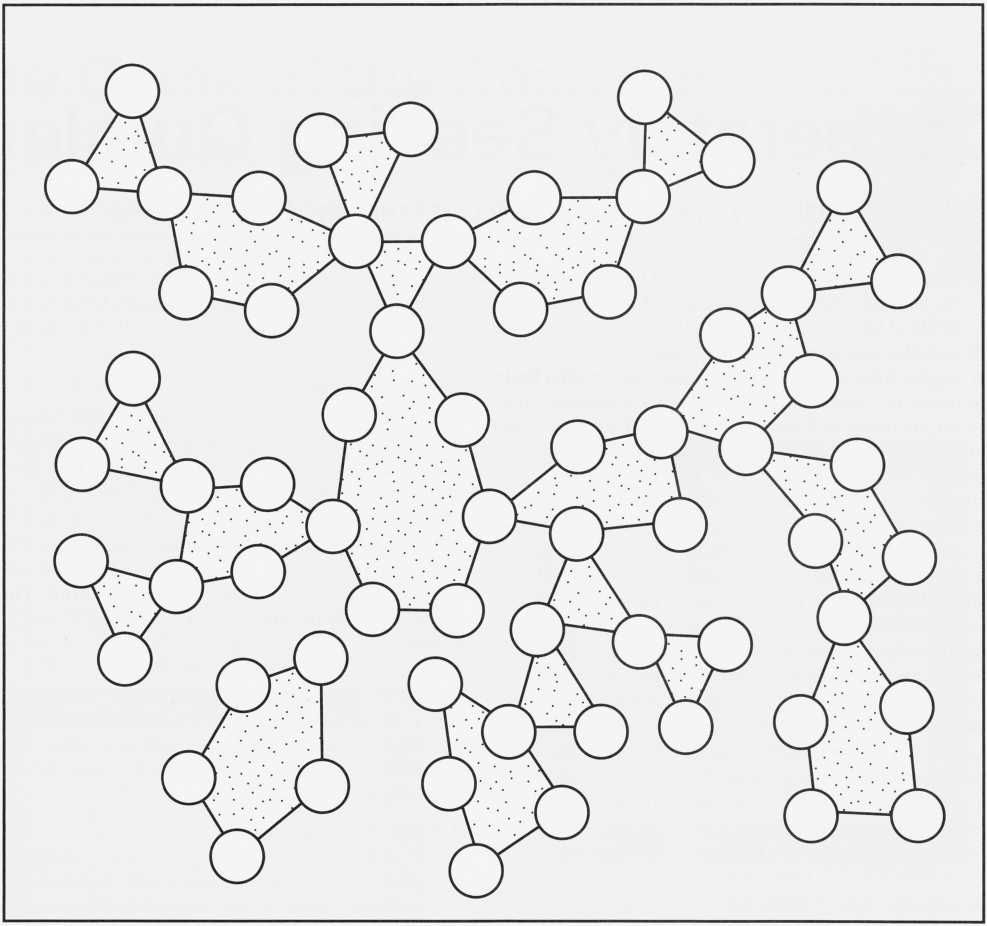
16 of each of four colors of pieces are placed on the 64 spaces of the board, which has the property that any two spaces have a unique shortest path between them. Each round someone decides which color of piece represents which type of person and also picks one of the liars to be Quigley. The other players have to find Quigley.
On a turn a player may move their piece up to three spaces and then asks the person there how to reach Quigley. A die is rolled to determine if they are told to lie or not, but how they actually answer of course also depends on what type of person they are. The controller for the round places an arrow pointing along the shortest path to Quigley - or not. The arrow is white if the die said to tell the truth and black otherwise.
Alternatively a player may ask a person if they are Quigley, in which case they always receive a truthful answer. The player finding Quigley scores 20 points. An incorrect accusation costs 5 points. The controller scores a point every time a player takes a turn.
Filed Under
- Categories
- Mechanics
- BGG data
- refreshed Sep 5, 2026