Table Talk
Nothing here yet. Love this design? Say so - the designer might see it.

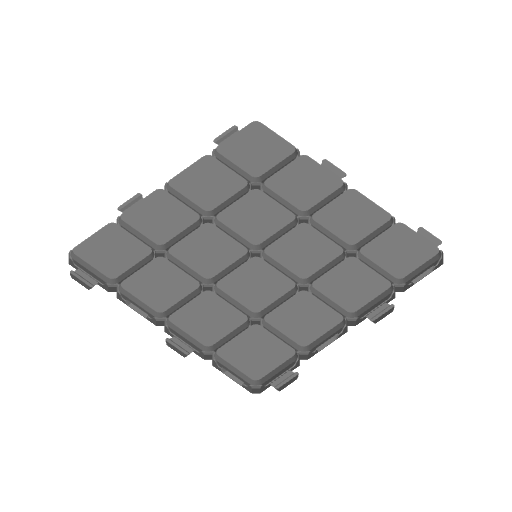
Fully Expandable DND Tile System (With Walls)

Miniatures Free
Plan Your Print
About 968 g of filament From the designer's print profile
Print Profile (4) 4x4 Tile for A1 mini 13h 36m 364 g PLA
4x4 Tile for A1 mini
4 plates 13h 36m 364 g PLA
A1 mini, P1S, P1P, X1, X1 Carbon, X1E, A1, H2D, H2D Pro, H2S, P2S, H2C, X2D, A2L
Fully compatible with the larger system
Plate Details (4)
0.4 mm nozzle, all plates
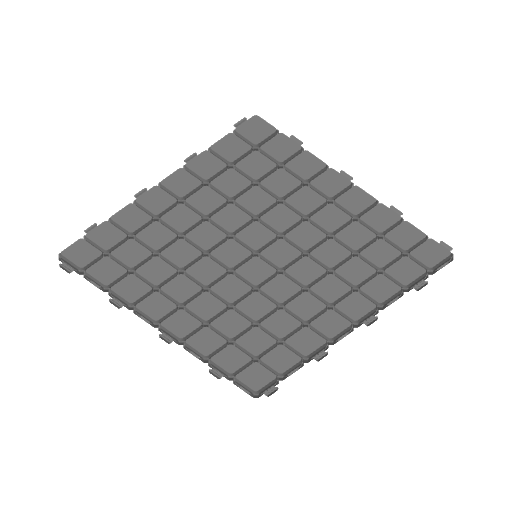
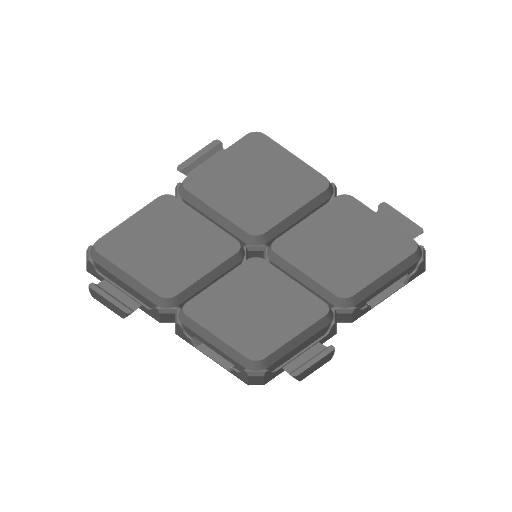
Plate 1 · 1 4x4 tile
1h 32m 45 g PLA · 45 g
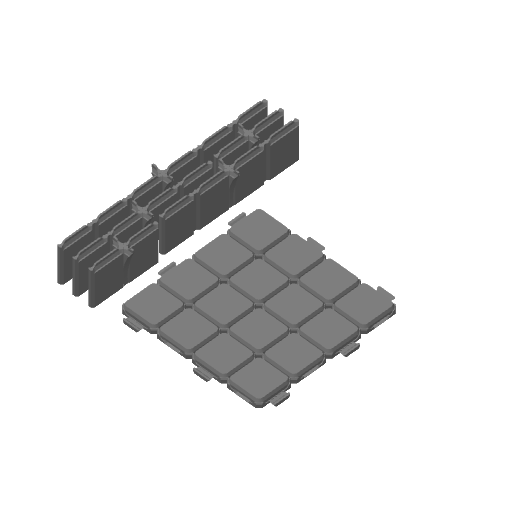
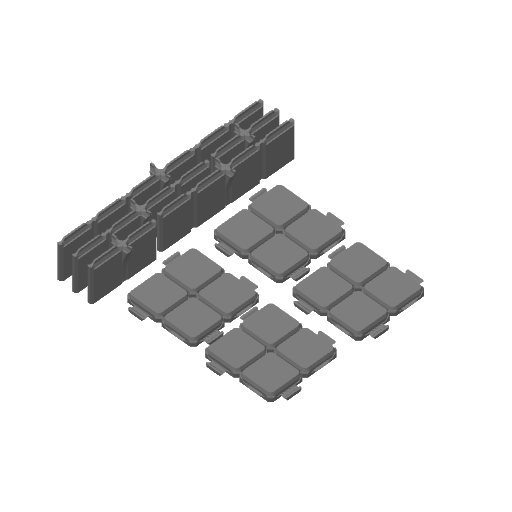
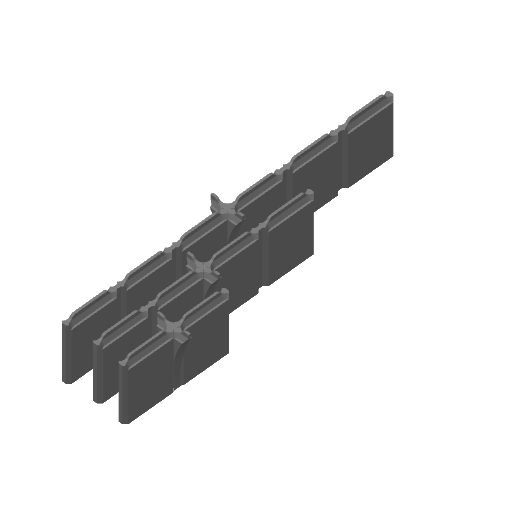
Plate 2 · 4x4 tile with walls (1x6'', 2x4'', 2x2'')
3h 22m 93 g PLA · 93 g
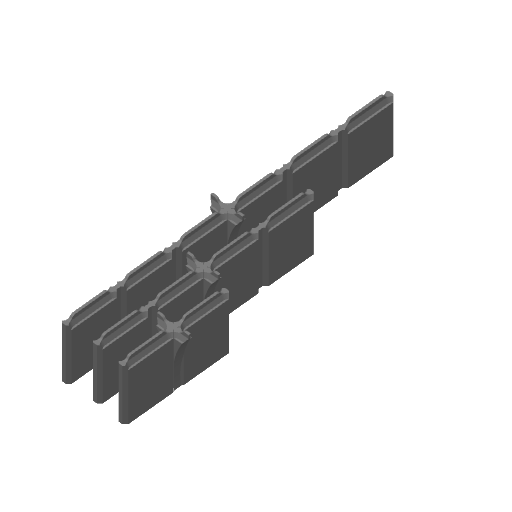
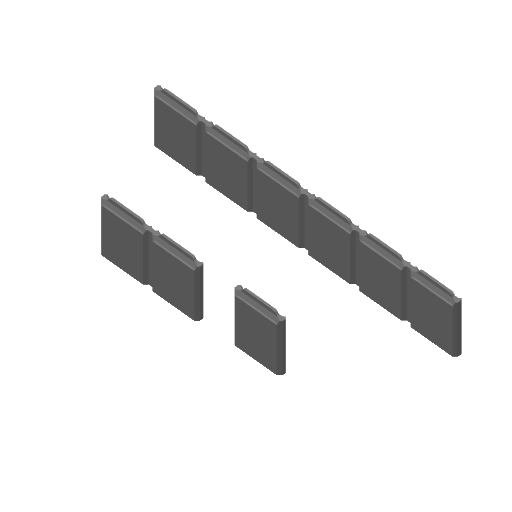
Plate 3 · One of each wall
1h 20m 33 g PLA · 33 g
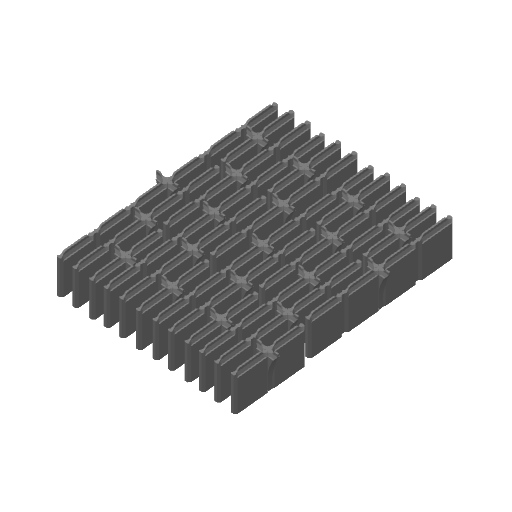
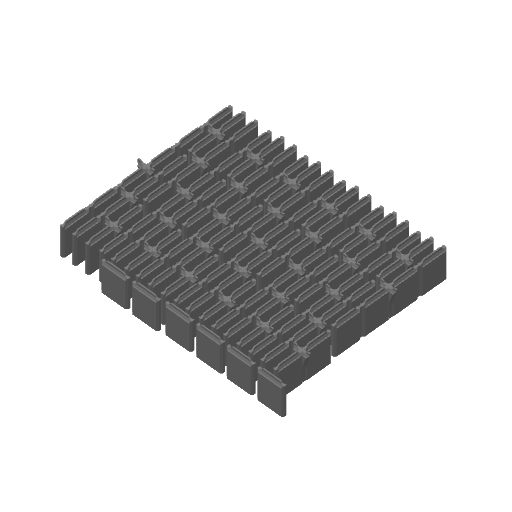
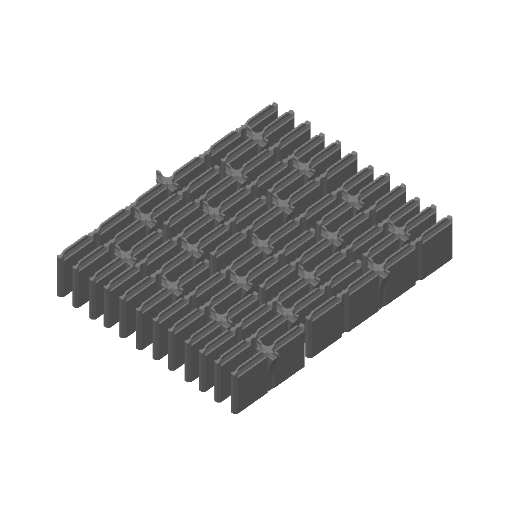
Plate 4 · Full wall set (4x6'', 8x4'', 8x2'')
7h 22m 193 g PLA · 193 g
0.2mm layer, 2 walls, 15% infill
5 plates 36h 12m 968 g PLA
A1, H2D, H2D Pro, H2S, P2S, H2C, X2D, A2L
tile system and walls. all of the plates of walls just have different amounts of walls depending on what you want to print, i would look at them in 3d to see which ones you might want
Plate Details (5)
0.4 mm nozzle, all plates
Plate 1 · 1 8x8 tile
5h 34m 172 g PLA · 172 g
Plate 2 · Walls (6x6'', 12x4'', 12x2'', 6x1'')
11h 286 g PLA · 286 g
Plate 3 · One of each old wall (not recommended but sometimes useful)
58m 22 g PLA · 22 g
Plate 4 · All The Walls You Will Ever Need
16h 32m 438 g PLA · 438 g
Plate 5 · Test Walls
2h 8m 50 g PLA · 50 g
1x1 tiles *read description before printing*
2 plates 2h 6m 54 g PLA
A1 mini, P1S, P1P, X1, X1 Carbon, X1E, A1, H2D, H2D Pro, H2S, P2S, H2C, X2D, A2L
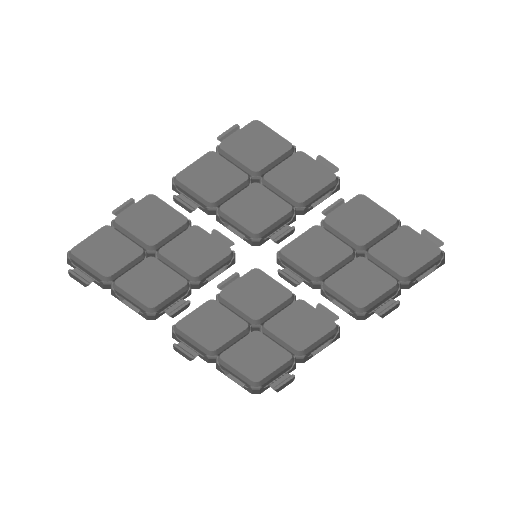
These are the 2 different possible 1x1 tiles fully compatible with the tile system, before printing please read the description to figure out which ones you want to print
Plate Details (2)
0.4 mm nozzle, all plates
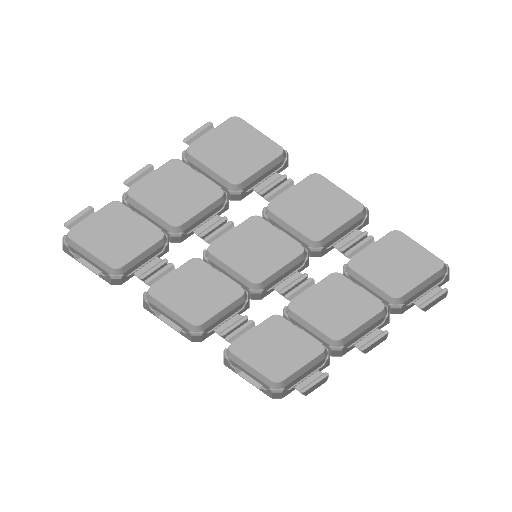
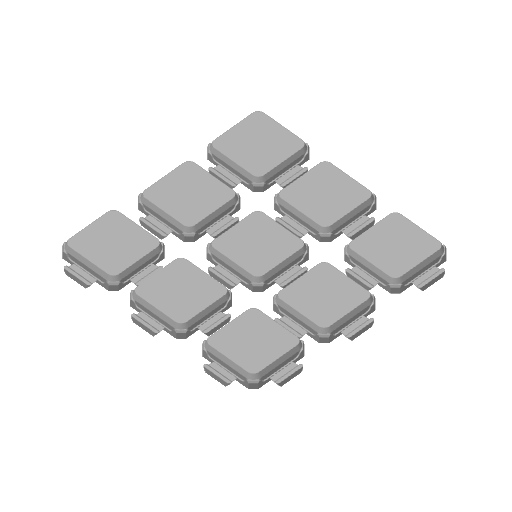
Plate 1 · 9 1x1 offsets
1h 3m 27 g PLA · 27 g
Plate 2 · 9 1x1 normals
1h 3m 27 g PLA · 27 g
2x2 Tile
5 plates 14h 10m 378 g PLA
A1 mini, P1S, P1P, X1, X1 Carbon, X1E, A1, H2D, H2D Pro, H2S, P2S, H2C, X2D, A2L
here is a 2x2 tile, it takes only around 20-30 minutes to print just one and is fully compatible with the other tiles
Plate Details (5)
0.4 mm nozzle, all plates
Plate 1 · 1 2x2 tile
29m 12 g PLA · 12 g
Plate 2 · 4 4x4 tiles with walls (1x6'', 2x4'', 2x2'')
3h 26m 94 g PLA · 94 g
Plate 3 · One of each wall
1h 20m 33 g PLA · 33 g
Plate 4 · Full wall set (4x6'', 8x4'', 8x2'')
7h 22m 193 g PLA · 193 g
Plate 5 · 4 4x4 Tiles
1h 34m 46 g PLA · 46 g
As sliced by the designer. Your printer, filament, and settings may change these numbers.
Designer's Description

NOW COMPATABLE WITH THE A1 MINI (use the 4x4 print profile)

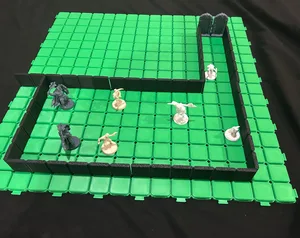
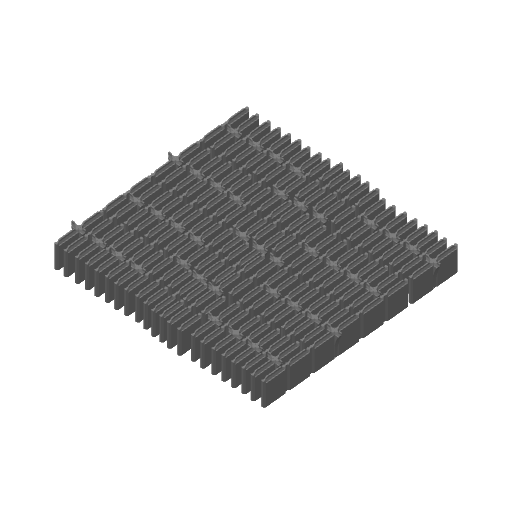
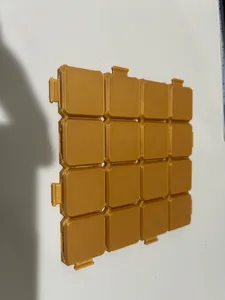
This is a Fully Expandable DND Tile System that just clicks into place, and has walls that just slot right into the tiles. the top surface of the squares are exactly 1"x1" which means you can have a standard medium size mini on the tiles with two walls directly next to them, this allows for 1 wide hallways and better utilization of the corners of rooms.

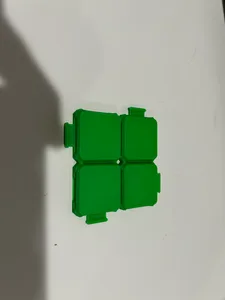
NOTE: on the negative connection for the tiles, there is a small strip that is printed connecting the two sides of the hole, this is to keep the sides from warping and can be either removed by hand or cut off.

You should remove these small tabs of plastic

the tiles are a little difficult to put together once you go above a 3x3 (24x24 squares) so you may cut one of the middle tabs off of the large tiles to make it easier to connect larger sections together
Cutting at the red line will help if you are having a hard time connecting large groups of tiles together

Thank you @PolyFrog_365505 on printables for the base of the connection system

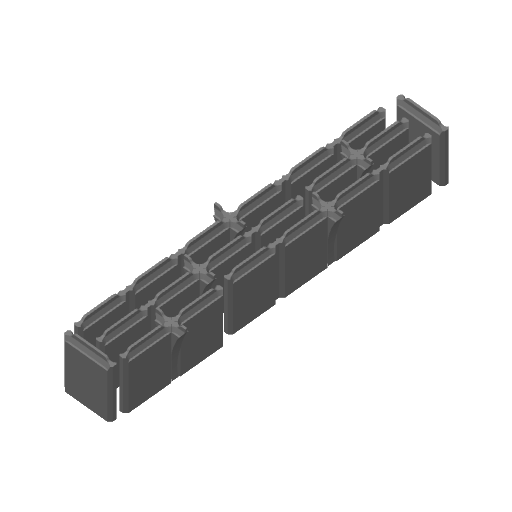
edit: walls were having a hard time standing up especially on their own or when the supporting wall fell down so i remodeled the long walls to have a support structure and i would suggest printing these walls (2 long standalone walls are now added too)

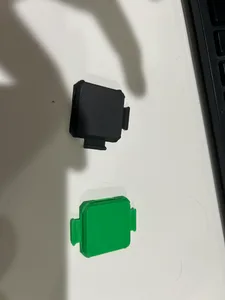
The 2 different 1x1 tiles explained:

because of the way these tiles work, there are only two different ways to make a 1x1 shown below

they both have different pros and cons and so i decided to release both of them, i have named them 1x1 normal (the one on the left) and 1x1 offset (the one on the right).

with a perfect square of 1x1s with side lengths that are even, both can be used to make an exact copy of the respective tile (eg. a 2x2 of both 1x1 tiles, if rotated properly, are practically indistinguishable from a normal 4x4) however, when used in odd amounts, the 1x1 normal will keep all the tiles aligned whereas the 1x1 offset will offset the tiles connected to it by 1 as shown below.

TL;DR: the two tiles are basically the same if you use an even number of them, but are useful for different things if an odd number are used.

dnd dungeons and dragons dnd accessories 1 inch square tile system grid 1 inch grid ttrpg ttrpg tile ttrpg board