Log in to join the conversation.
Elder Scrolls: Betrayal of the Second Era [BOTSE]
Print Profile 51h 26m 2,753 g PLA
Plate Details (14)
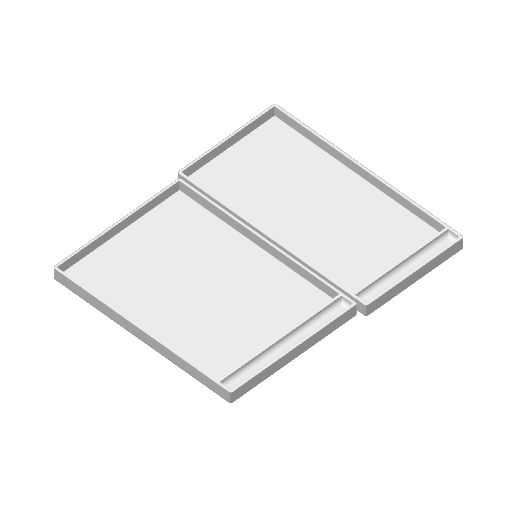
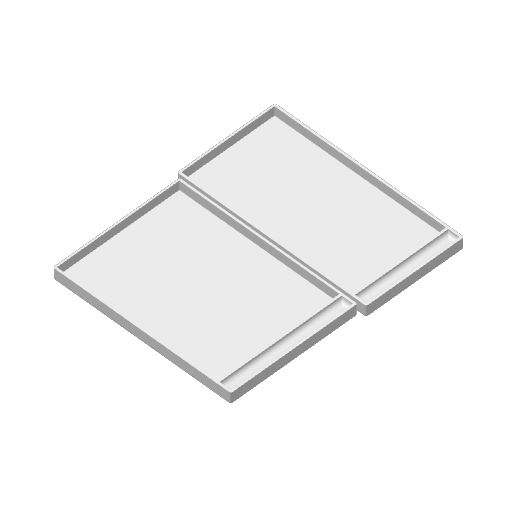
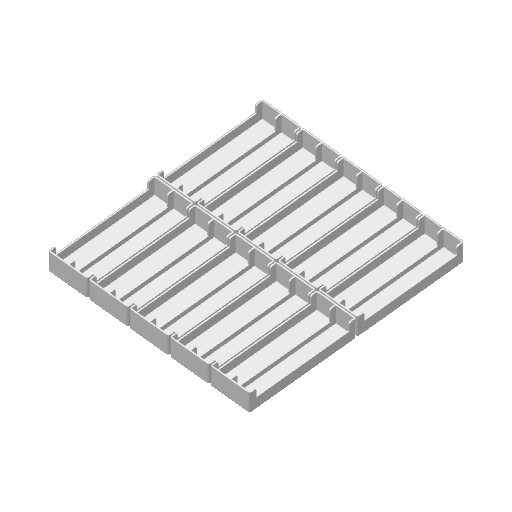
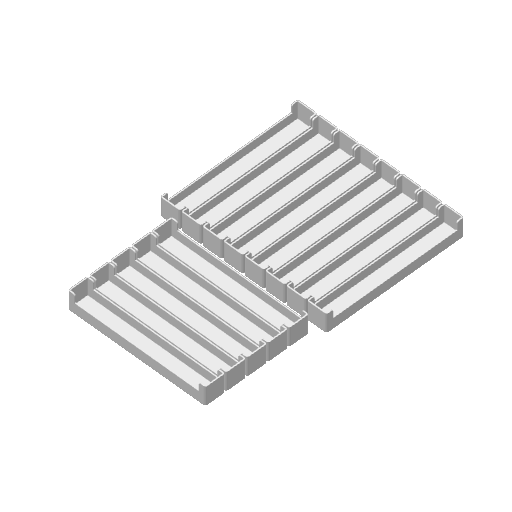
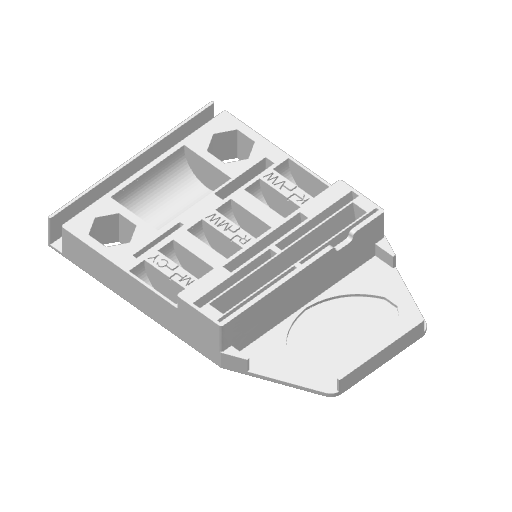
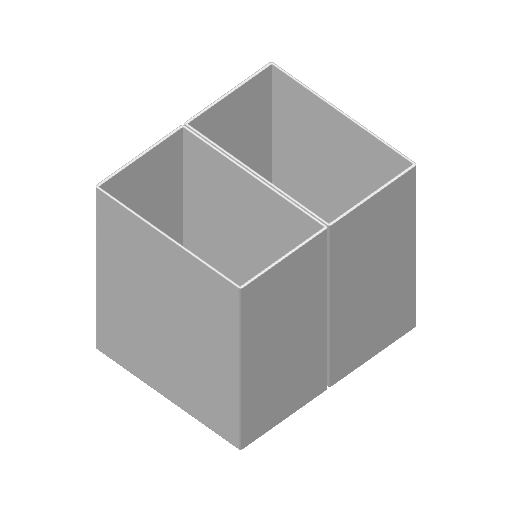

For the full suite of pictures, please visit https://www.printables.com/model/1245645-elder-scrolls-betrayal-of-the-second-era-valenwood
This is an unofficial insert for Chip Theory Games' Elder Scrolls: Betrayal of the Second Era. I wanted to create something that would make setup and teardown as painless as possible while also allowing for modular setups based on your own table size and configuration. We know that a future expansion will include 3 new regions and “additional components”, so I wanted to be sure enough space remained in the box to reconfigure this insert whenever the new stuff fulfills in the (hopefully not so distant) future.
This game is huge, both in scope and in table space required. All of the main trays can be stacked in some fashion to decrease the square footage necessary to run a session. As I tend to play solo or act as scenario manager for my group, I wanted to keep everything within easy reach.
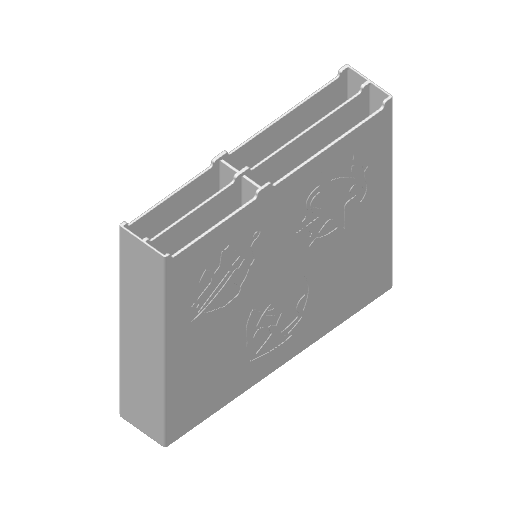
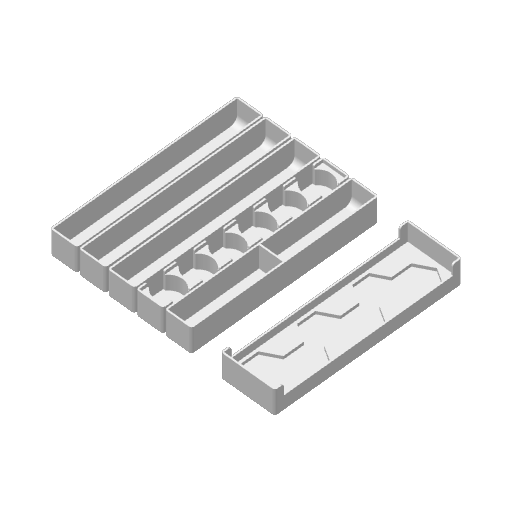
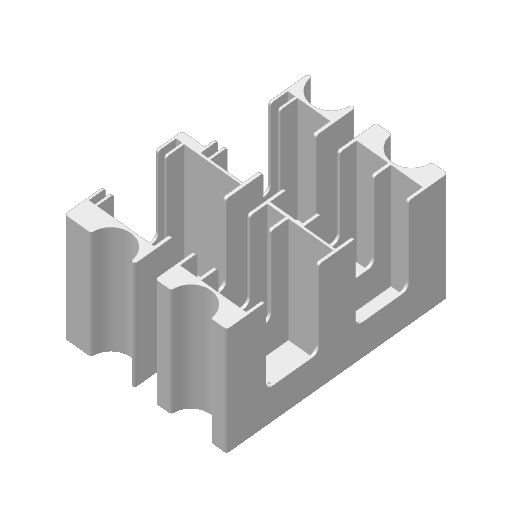
The main feature is the dice cabinet, which contains all dice in the game, as well as stat tokens, map tokens, and player mat pegs. Each skill has a dedicated tray which can be handed off to a player for easy access during future upgrades. Each common die type is grouped together and can be handled in single groups or kept in the drawer or flung all over the table. It's up to you!
The front bottom lip of each drawer slot is slightly elevated to prevent accidental slippage of the drawers from the cabinet. In my testing, tilting the cabinet forward only resulted in drawers falling out around the 45 degree mark. Believe me, you do not want to go past this mark unless looking for a fun game of 190-dice pickup.
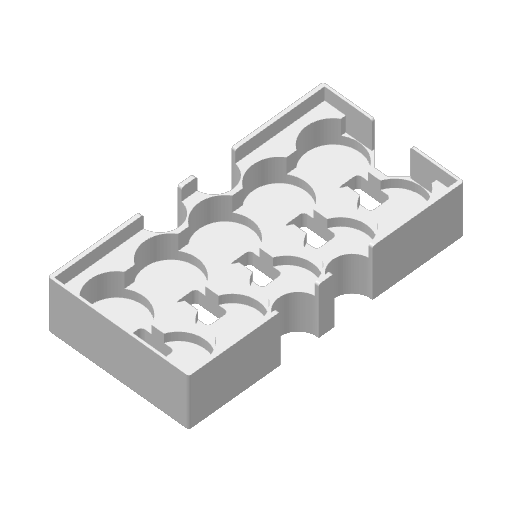
A handy accessory to hold the mini chip tokens on the map was created by Friedmutant and he graciously allowed me to include an optional tray to house a few of these holders within the short drawer. The tray occupies 2 rows and will house 4 vertical and 2 flat mini chip holders. You can find his files here. Thank you!
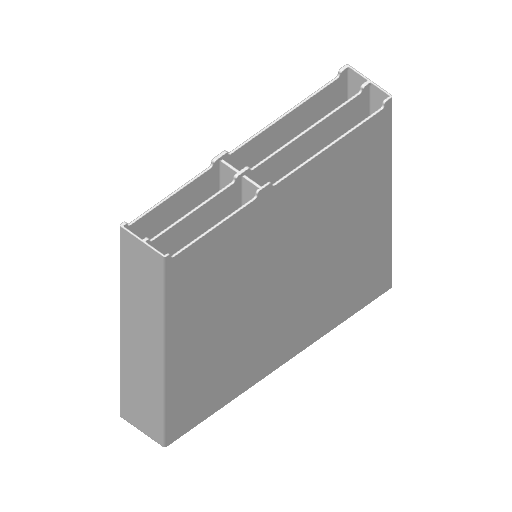
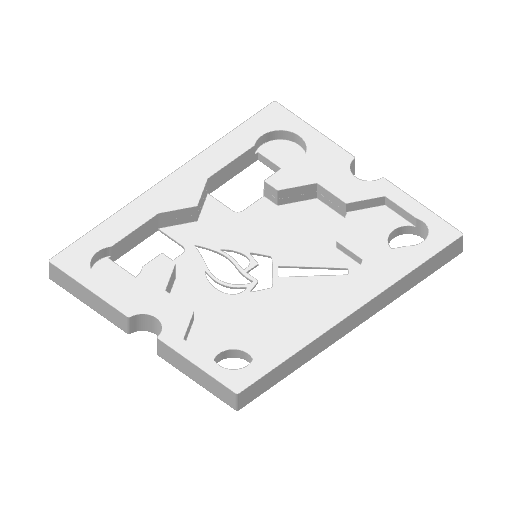
There are two versions of the cabinet: one with skill symbols on the TOP, and a clean version. For the icon version no supports are required, and in the pictures I used a small sanding stick to create the distressed outline and grant better visibility to the symbols.
Next is the encounter tray which houses all quest and region chips, first player chip, first player ouroboros from the Blacksmith pack, and sidequest cards. During storage, the sidequests are kept in the front area of the tray with day/xp magnetic chip holder on top, and day/xp chips in a slot of your choice. During play the sidequests obscure the text of Peaceful and Combat encounters immediately behind it, and these obscure the delve deck which sits at the back of the display area. There are two additional slots in the front for a few cards of your choosing: guild, current encounter, collected loots, quest items, etc. In the back of the tray is a skill card holding area for easy access during the game.
The delve/dungeon tile tray holds all 3- 6- and 7-size tiles as well as loot chips. This tray can be stacked with the dice cabinet or set aside during play depending on how you wish to access the tiles during the game. To keep the tiles hidden during play, simply reverse the orientation and they will fit back into the tray as shown in the pictures.
The race/class/skill tray carries the skills on its top layer during storage. I leave this tray in the bottom of the box as it's really only accessed during initial character creation. Each race's chips are nested in the bottom, covered by the stack of races and classes.
The loot deck tray keeps both types of loot together with a discard slot for each. The setup tray keeps together all the encounter cards from each region, as well as guild cards. I use the stock dividers to separate General cards from the Region cards, as again these are only handled during initial setup. I iterated with storage solutions that maintained division between each region's respective cards, but this took up a lot more space than desired. As I do not sleeve CTG pvc cards, these unfortunately do not accommodate sleeves.
I keep my health chips in the stock CTG trays as they are streamlined and fit well with my other trays. Two of these larger chip trays are stacked in the corner, and I keep two sets of premium health within. Region non-specific enemies are kept in their respective 1/5 or 10/20 bags and sit neatly atop the health chips and card trays. Skill tokens are kept in the skill bag, and circular stat tokens I keep with the player mats and save trays.
For those with folios, I created a ring to keep them together during storage and prevent them from flopping around while components are being placed in/out of the box. For those without folios, spacers are provided which fill up this area of the box and ensure everything else stays in place.
Gazetteers, rulebooks, and enemy reference sheets are stacked with alternating spirals as recommended by CTG, but there's enough room to accommodate any number of stacking methods. The maps, clash tiles, and large delve tile sit above the books, with the player trays making up the final, top layer in the box. Thanks to the wonderful box style, the healthy amount of lid lift is not readily apparent when the lid is on. This insert does NOT accommodate vertical storage.
All trays were printed with 0.4mm nozzle, 0.2 layer height, at 15% infill on a Bambu X1c or P1S. Total filament required is approx 2kg. The prints needed are:
Dice cabinet
- cabinet (with or without icons) x1
- dice drawer long x2
- dice drawer short x2
- dice insert 08 x13 (long skinny insert for 8-dice skill lines, plus extras)
- dice insert 12 x10 (2-row insert for 12-dice skill lines, fatigue, combat, and status dice)
- tokens map x1 (round map tokens)
- tokens stats x3 (one for each stat type red/green/blue)
- tokens valenwood and pegs (player mat extra pegs and 3 green tokens from Valenwood)
- optional FriedMutant tray for mini chip holders
Races Classes Skills x1
Cards Loot x1
Cards Setup x1
Delve and dungeon tiles x1
Encounter dashboard x1
Folios
- Yes folios: folio ring x1 (turn diagonally for 256x256 print beds, split file also included, print x2)
- No folios: spacer x2
Lastly, major thanks to js500 for his help in pulling this thing together! He's a Trove of ideas and did a ton of prototyping. These pieces got to 100% because of him.
Edit 5/2/2026: cards setup changed to have wider encounter slots, added optional file with increased encounter dashboard chip slot width
 The Elder Scrolls: Betrayal of the Second Era 2025
Layer by Layer
The Elder Scrolls: Betrayal of the Second Era 2025
Layer by Layer
Cover Colors
 The Elder Scrolls: Betrayal of the Second Era – Valenwood 2025
/pic9177137.jpg) The Elder Scrolls: Betrayal of the Second Era – Adventurer's Cache 2026
The Elder Scrolls: Betrayal of the Second Era – Adventurer's Cache 2026
 The Elder Scrolls: Betrayal of the Second Era – Elsweyr 2026
/pic9733503.jpg) The Elder Scrolls: Betrayal of the Second Era – Fur and Fang 2026
The Elder Scrolls: Betrayal of the Second Era – Fur and Fang 2026
/pic9733493.jpg) The Elder Scrolls: Betrayal of the Second Era – Heroes of Tamriel 2026
The Elder Scrolls: Betrayal of the Second Era – Heroes of Tamriel 2026
Show 6 more
/pic9164308.jpg) The Elder Scrolls: Betrayal of the Second Era – Luxury Wear 2026
The Elder Scrolls: Betrayal of the Second Era – Luxury Wear 2026
/pic9733504.jpg) The Elder Scrolls: Betrayal of the Second Era – Shadows of Oblivion 2026
The Elder Scrolls: Betrayal of the Second Era – Shadows of Oblivion 2026
/pic9734942.jpg) The Elder Scrolls: Betrayal of the Second Era – Summerset 2026
The Elder Scrolls: Betrayal of the Second Era – Summerset 2026
/pic9164327.jpg) The Elder Scrolls: Betrayal of the Second Era – Cheeses of Tamriel 2025
The Elder Scrolls: Betrayal of the Second Era – Cheeses of Tamriel 2025
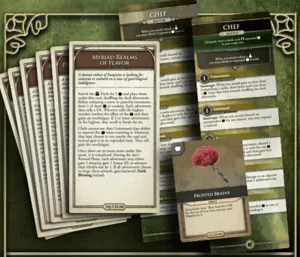 The Elder Scrolls: Betrayal of the Second Era – Chef Class 2025
The Elder Scrolls: Betrayal of the Second Era Demo Kit 2025
The Elder Scrolls: Betrayal of the Second Era – Chef Class 2025
The Elder Scrolls: Betrayal of the Second Era Demo Kit 2025
And Bambu users or people who prefer a 3mf / print profile can visit instead on Makerworld here: